MSF’s Transformational Investment Capacity (TIC) projects continue to spark change and address critical challenges across the movement. Four recent evaluations of TIC-supported projects, MSF Field Simulation, Anti-Racism, People Analytics Unit (PAU), and Leadership Education Academic Partnership (LEAP), provide valuable insights into how MSF is evolving. Together, these findings highlight MSF’s commitment to enhancing operational effectiveness, equity, and leadership capacity and provide some critical recommendations for future initiatives.
Key Findings
1. MSF Field Simulation Program: Transforming Humanitarian Preparedness, conducted by the Vienna Evaluation Unit
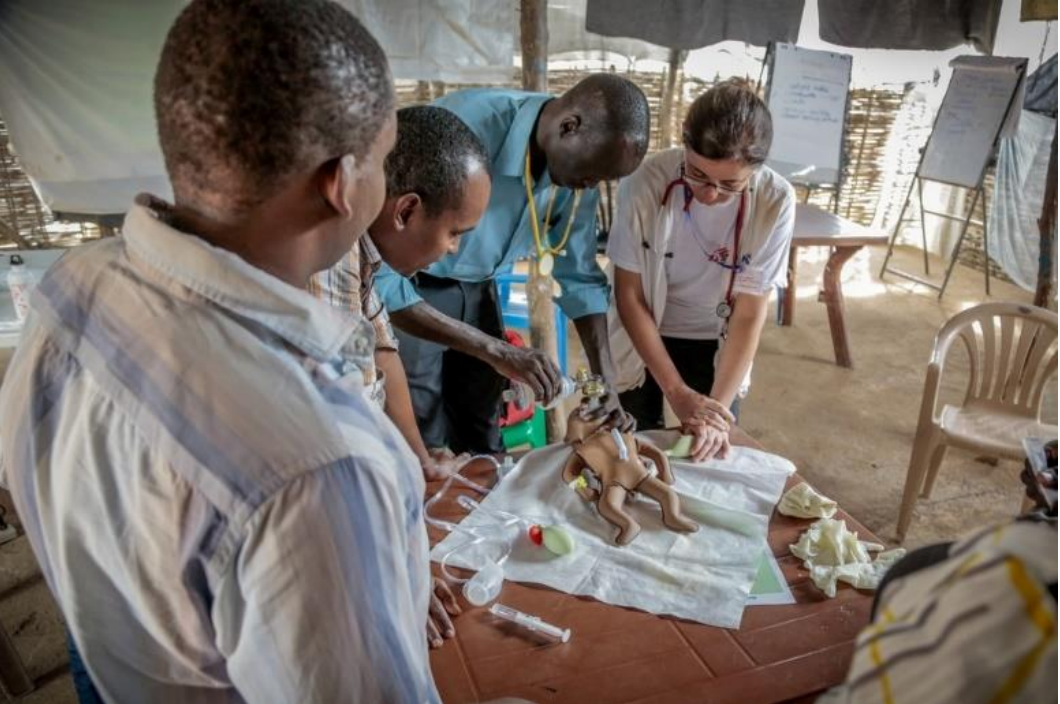
The MSF Field Simulation Program (2022–2025) is revolutionizing MSF’s approach to emergency preparedness and operational improvement. The project aims to increase the use of simulation in MSF’s day to day activities to learn, innovate, reflect, provoke changes and define new ways of working for people, teams and the organization itself. The evaluation found that by embedding simulation methodologies into MSF’s field practice, the program improved clinical prioritization, quality of patient care, and collaboration within and across teams particularly in high-risk regions like the Sahel. It fostered a culture of change, creating safe spaces for learning and acting while expanding simulation applications well beyond the medical areas. While field simulation has already been embedded into OCBA’s learning and operational approaches, sustaining the program beyond OCBA will require further engagement from other OCs, and stronger governance and resource mobilization mechanisms.
2. Anti-Racism Project: Advancing Equity and Inclusion, conducted by the project team with the support of the Vienna Evaluation Unit
The Anti-Racism Project (2021–2024) has made significant strides in addressing structural racism within MSF. The project aimed to take concrete steps in building greater understanding, tolerance, awareness to achieve equity and inclusion. The evaluation found the project has raised awareness through workshops and tools like the Conversation Navigator and expanded training programs and leadership engagement. Despite progress, resistance to discussions, inconsistent behavioural change, and lower-than-expected engagement in Learning Cafés highlight the need for tailored strategies and stronger leadership accountability.
3. People Analytics Unit (PAU): Leveraging Data for Strategic HR, conducted by the Vienna Evaluation Unit
The People Analytics Unit (PAU) (2018-2025) has enhanced workforce planning and HR processes. The project aimed to leverage data science to find data-driven solutions to people problems and facilitate using data to provide decision-makers with visibility, insight or new information. The evaluation found it helped foster an analytics culture to advance strategic HR initiatives. However, inconsistent data quality, cultural resistance to data-driven decision-making, and resource constraints remained barriers. The project has transitioned into the Workforce Intelligence & Strategy Unit (WISU) which offers an opportunity to focus on MSF-USA’s needs while exploring future potential international collaboration and adapted AI applications.
4. LEAP Programme: Building Leadership Capacity, conducted by the Vienna Evaluation Unit
The LEAP Programme (2019–2024) aimed to develop senior staff knowledge and skills, improve retention and create career paths, by investing in our future leadership through flexible, world-class higher education. The evaluation found the project has been instrumental in creating a diverse pool of potential leaders in MSF, with many graduates advancing into senior roles. Graduates have applied their learning to improve outcomes for MSF staff, patients, and local communities. However, limited managerial support for students and graduates, and access inequalities highlight the need to continue improving alignment with MSF’s career pathways and improve support structures.
These evaluations demonstrate MSF’s commitment to continuous improvement and transformation. Together they offer the opportunity to celebrate the major successes while giving space to critically reflect on areas for improvement. Most importantly, they can be used to inform future change initiatives across the movement.
The TIC team would like to recognize the hard work and commitment of the project teams. To learn more, please contact us at tic@msf.org.